

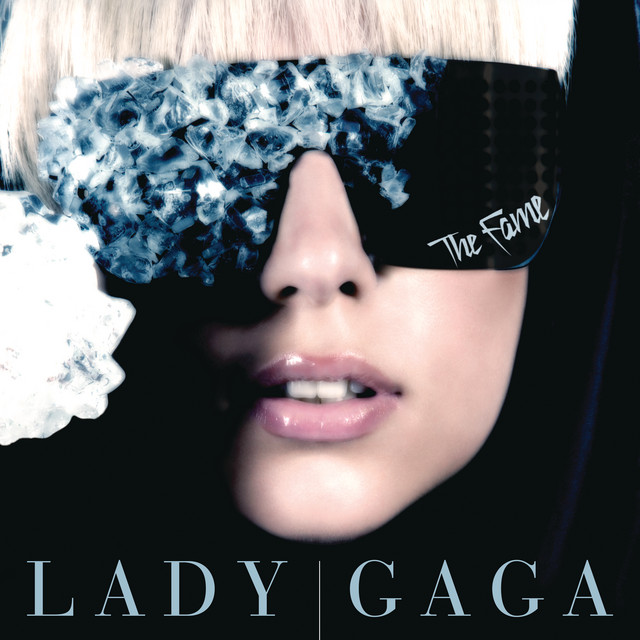
Lady Gaga turned the camera on itself with “Paparazzi,” a single that treats obsession as both a love song and a warning.
She wrote and co-produced the track with Rob Fusari for her debut album *The Fame*, and it became the fifth and final single pulled from that project . The song plays with a simple flip: the narrator is the fan, the stalker, the lens that will not look away.
What makes “Paparazzi” stick is how Gaga handles that flip. She has described it as a struggle between fame and love, a question of whether you can hold both without losing something . The lyric sheet keeps the language plain, almost sweet, which is why the obsession underneath lands harder. Critics picked up on that tension early. Rolling Stone later ranked it the second-best song in her catalog, and Pitchfork called it the best Madonna song of the century, a line that says as much about timing as it does about quality .
The production sits in the same pocket as “Just Dance” and “Poker Face,” that mid-2000s electro-pop thump built on synths and a chorus that refuses to leave . But the mood here is cooler. Gaga does not sound like she is celebrating the attention. She sounds like she is studying it.
Her 2009 MTV Video Music Awards performance sealed the song’s reputation. The blood, the collapse, the golden halo projected behind her – it turned a pop single into a piece of theatre about what fame costs . Years later, that moment still reads as the point where she stopped being just another chart act.
Press play on “Paparazzi” and tell me whether it still hits the same way now.

























No comments yet — start the discussion.